Filter by:

Filter by published date

Viewing 811–840 of 1462 results. Go to first page
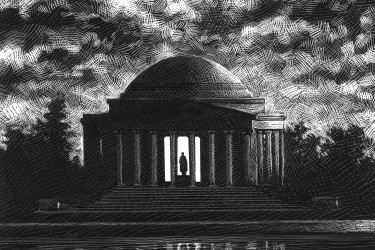
The Jefferson Memorial, with storm clouds outside, and light from within.

How Jefferson’s Words Were Doctored in his Memorial

A great-great-grandson pushed to portray Jefferson as an abolitionist, leaving a misleading impression about his actions on equality and slavery.
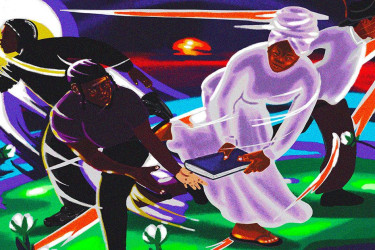
In a cotton field at night, a Black man scouts with a lantern, while a black woman passes a book to two fleeing men.

The Black People Who Fled Slavery Had a Lot to Teach Their Northern Allies

Black-led vigilance committees not only protected and aided fugitives but also learned from the formerly enslaved as they built a movement pedagogy together.
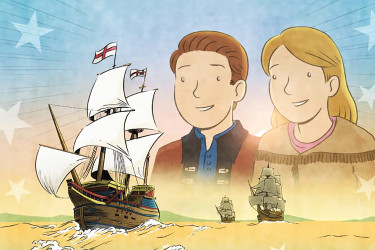
An illustration of two children watching English ships sail to the American colonies.

The Tuttle Twins Learn Incredibly Wrong History Lessons

The libertarian propaganda series is back and worse than ever.
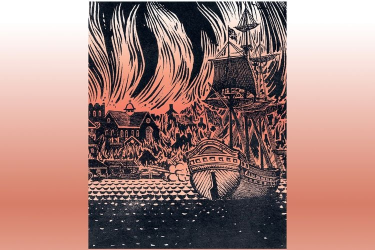
A drawing of the burning of Norfolk.

In January 1776, Norfolk Was Set Ablaze, Galvanizing the Revolution. But Who Really Lit the Match?

Blaming the British for the destruction helped persuade some colonists to back the fight for independence. But the source of the inferno was not what it seemed.
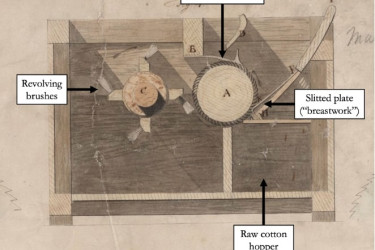
Diagram of a cotton gin

How Eli Whitney Single-handedly Started the Civil War . . . and Why That’s Not True

The real Whitney story is less grand than the legend, but more interesting and, ultimately, more edifying.
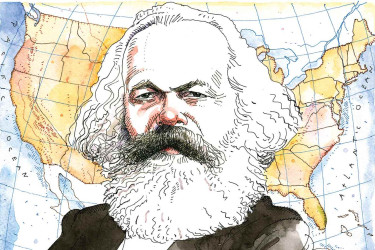
Illustration of Karl Marx in front of map of the United States.

The Triumphs and Travails of American Marxism

Karl Marx never visited the United States, but he and his ideas left an imprint nonetheless.
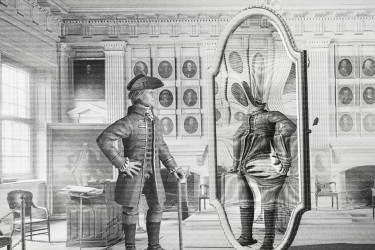
Illustration of a founding father standing in front of a distorted mirror.

What the Founders Would Say Now

They might be surprised that the republic exists at all.
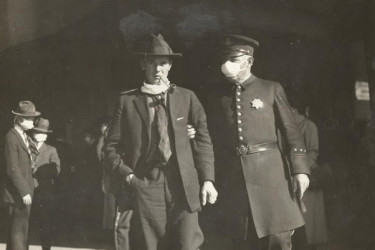
Police officer wearing a mask, arrests a man who lowered his mask to smoke a pipe, in 1918.

The Mask

How the history of the anti-mask and anti-vaccination movements hang together.
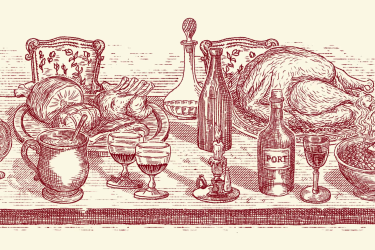
Table set with an 18th-century meal of wine, meat, and vegetables.

So Much Madeira

What the Founding Fathers ate—and drank—on July 4, 1777.
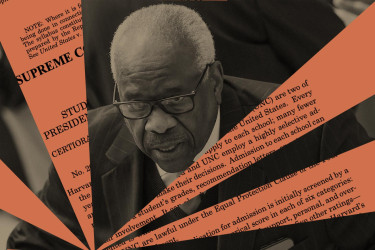
Clarence Thomas and small sections of the Supreme Court's opinion in Students for Fair Admissions versus Harvard.

Clarence Thomas Accidentally Laid the Groundwork for Reviving Affirmative Action

In trying to shut the door on race-conscious affirmative action, he may have quietly left another affirmative action door wide open.
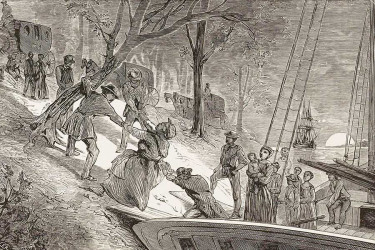
Fugitives from slavery disembarking from a boat to waiting coaches.

The Underground Railroad’s Stealth Sailors

The web of Atlantic trading routes and solidarity among maritime workers meant a fugitive's chances of reaching freedom below deck were better than over land.
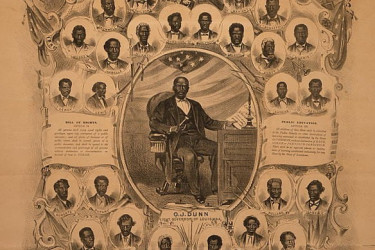
Page excerpting Louisiana's Reconstruction constitution and featuring portraits of its Black legislators.

The Long Struggle for Equality in the American South: Louisiana as a Test Case

Louisiana’s 1845 and 1852 conventions reveal partisan tensions over the economy that shaped Black struggles and opportunities for decades.
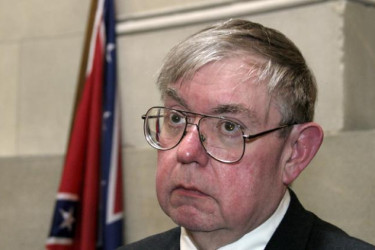
Sam Francis in front of a Confederate flag.

Only Power Matters

How Samuel Francis wrote the recipe for MAGA.
Commercial and tourist docks of St. George's, Grenada.
partner

Grenada: When the Cold War Got Spicy

The 1983 invasion of Grenada raised questions about the legitimacy of American reactions to a communist presence on the island.
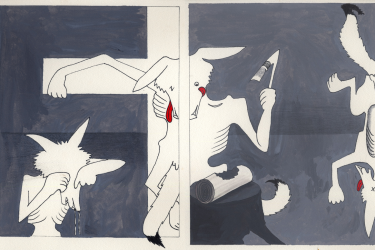
"Coyote Survives the Night," diptych of coyote crucified and carving wood by Ed Archie NoiseCat.

Indian Names

A personal exploration through Indigenous history and the importance of names.
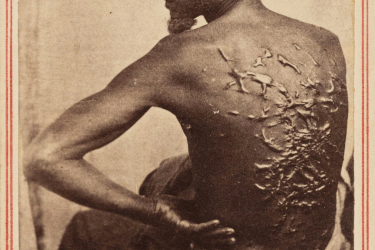
“The Scourged Back” shows the scarred back of escaped slave Peter Gordon in Louisiana, 1863. (McPherson & Oliver/National Gallery of Art)

National Park to Remove Photo of Enslaved Man’s Scars

The Trump administration is ordering the removal of information on slavery at multiple national parks in an effort to scrub them of “corrosive ideology.”
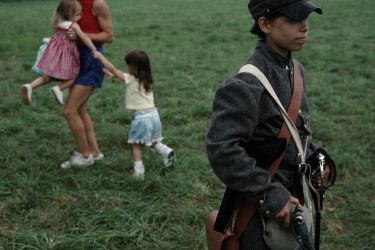
Image of a young boy carrying a pistol with women and children in the background.

Gun Culture Then and Now

Firearm ownership meant something very different when the United States was founded.
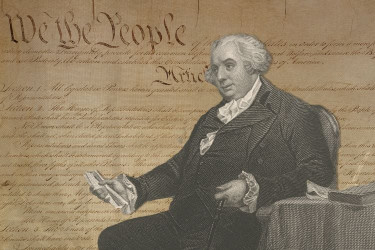
Gouverneur Morris.

The One-Legged Founding Father Who Escaped the French Revolution

Gouverneur Morris wrote the preamble to the Constitution. Later in life, he rejected the foundational document as a failure.
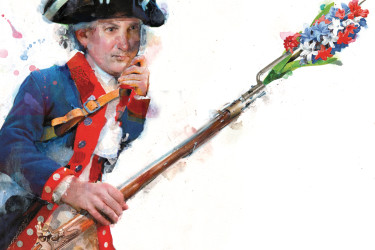
Illustration of John Dickinson with flowers in the barrel of his musket.

The Prudent Patriot

There’s a lot more to Founding Father John Dickinson than not signing the Declaration of Independence.
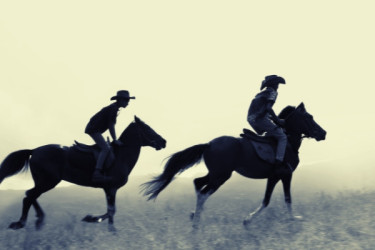
Two African American children gallop through a field on horseback.

Riding to Freedom: On the Importance of the Horse in Escaping Slavery

“Horses were a part of the daily fabric of life for many enslaved Black people.”
Dates growing on a palm.
partner

Dates: Civilization’s Sweetest Indulgence

Offshoots from the “Tree of Life” traveled from Mesopotamia to the Levant to the United States, beguiling everyone with their toothsome confections.
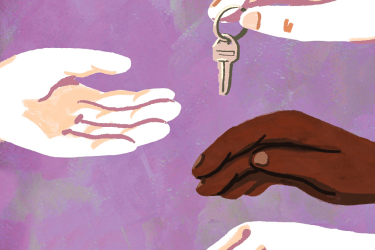
A white hand gives a key to another white hand, bypassing a Black hand.

What We Miss When We Talk About the Racial Wealth Gap

Six decades of civil-rights efforts haven’t budged the racial wealth gap, and the usual prescriptions—including reparations—offer no lasting solutions.
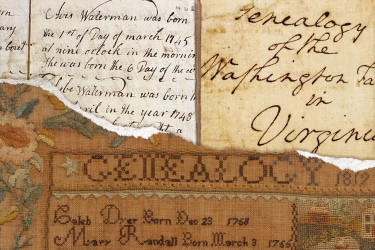
Collage of documents and a sampler that record genealogical information.

Why 18th-Century Americans Were Just as Obsessed With Their Genealogy as We Are Today

People living in British America and later the nascent United States recorded their family histories in needlework samplers, notebooks and newspapers.
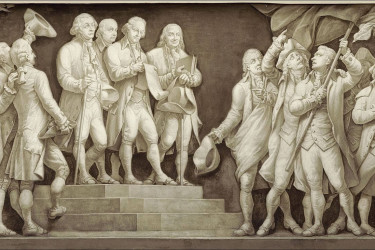
Engraving of Founding Fathers reading the Declaration of Independence while onlookers rally.

Does America Have a Founding Philosophy?

It depends on how you read the Declaration’s “self-evident” truths.
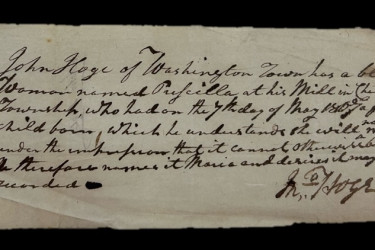
Document about enslaved baby born to Priscilla.

Active Silence, Archival Presence, and An Enslaved Mother's Legal Knowledge

An enslaved woman’s refusal to name her child challenged Pennsylvania’s gradual abolition laws and left behind a rare archival trace of resistance.

Teaching the Holocaust Just Got Harder in Mississippi

A new state law forbids education increasing ‘awareness’ of issues relating to race. How are educators supposed to teach history?
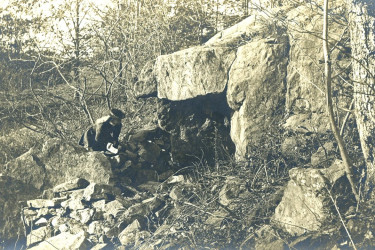
A woman peering into the cave of Sarah Bishop c. 1900.

The Curious History of New England’s Hermit Tourism

From Revolutionary War-era recluses to 1920s roadside attractions, meet the solitary figures who turned isolation into a destination.

The Revolutionary Idea That Remade the New World

Birthright citizenship is distinctly American—but not in the way Trump thinks.
Thomas Jefferson
partner

Thomas Jefferson: A Vote for Cutting Off Your Nose

To reduce Virginia’s use of the death penalty, Thomas Jefferson proposed using permanent disfigurement as a punishment for rape, polygamy, and sodomy.
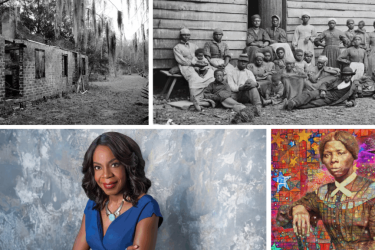
Collage of various black women mentioned within the article.

Pulitzer Prize-Winning Edda L. Fields-Black on the Combahee River Raid

Harriet Tubman’s revolutionary Civil War raid and the power of preserving Black history in the face of political pushback.

Filter Results:

Suggested Filters:

Idea

Person